In the world of industrial manufacturing, the vacuum pump is often the unsung hero the “workhorse” tucked away in a corner or under a bench. We tend to forget about it until the vacuum levels start drifting, the motor casing feels hot to the touch or that familiar “mechanical hum” turns into a strained growl.
When a pump struggles, our first instinct is to worry about mechanical failure. But more often than not, the culprit isn’t a broken part; it’s degraded oil.
Oil is a Mechanical Component, Not Just a Fluid
In a standard car engine, oil is there to stop parts from grinding together. In a Rotary Vane or Roots/Booster pump, oil has a much harder job. It is a sealing agent. Under deep vacuum, the oil must create an airtight barrier between the vanes and the pump chamber. If that oil has a high vapor pressure (meaning it “boils” or outgases easily), you will never hit your ultimate vacuum level. You’re essentially fighting against your own lubricant.
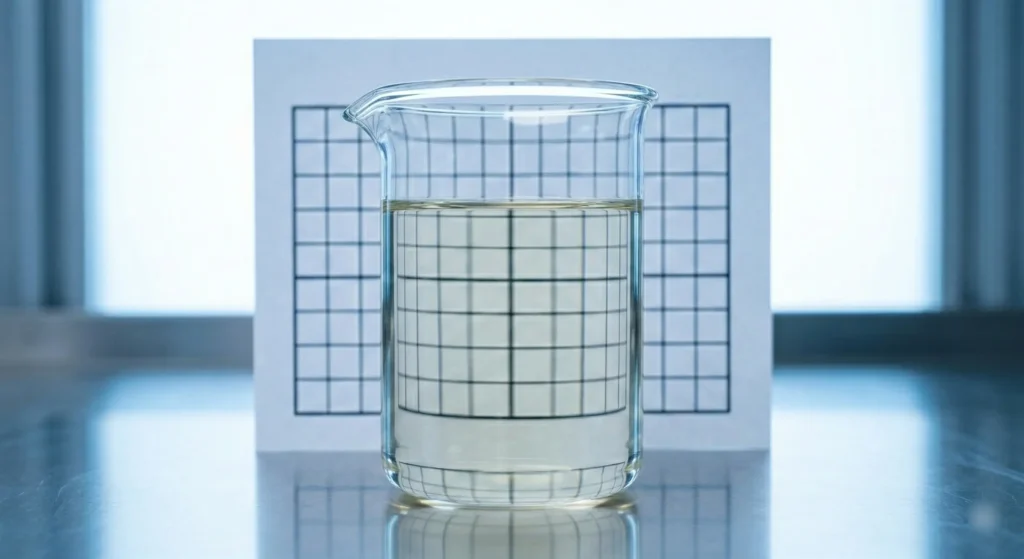
The "Sludge" Factor: Why Cheap Oil Costs More
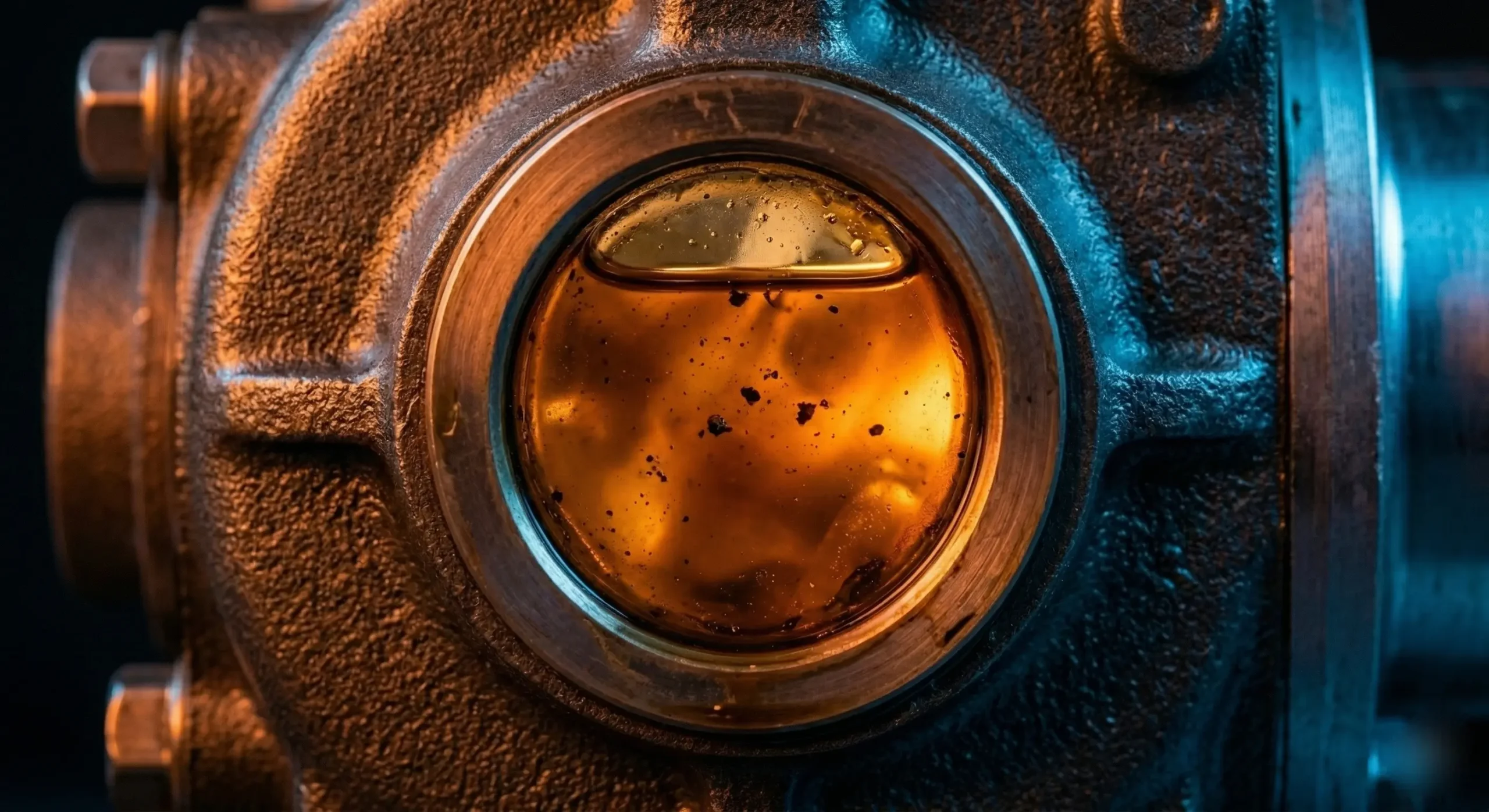
We’ve all seen it: you go to drain the pump and instead of clear fluid, you get something that looks like black coffee or worse, thick sludge.
This happens because low-grade oils can’t handle the localized heat inside a pump. They oxidize, break down and leave behind carbon deposits. This sludge doesn’t just sit there it clogs internal capillaries, unbalances Roots rotors and eventually leads to a seized pump.
At Ultrahivac, we focus on Molecularly Distilled Oils. The result?
- A “Flatter” Pumping Curve: Your vacuum stays stable from start to finish.
- Cooler Operation: Better lubrication means less friction and less heat stress on your motor.
- Fewer “Oil Change Rituals”: Higher thermal stability means the oil lasts longer before it needs to be swapped.
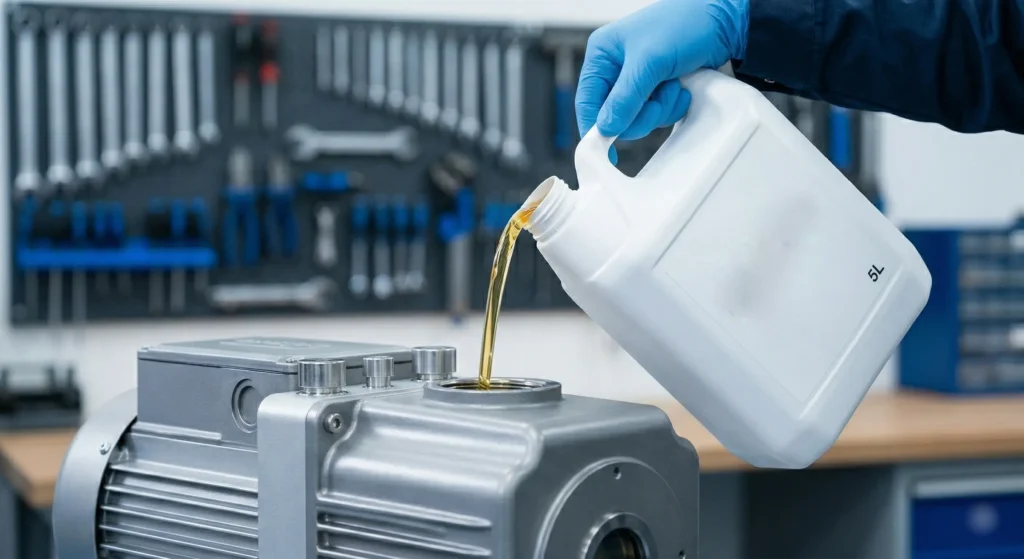
Which Oil Does Your System Actually Need?
Not all “vacuum oil” is created equal. Choosing the wrong viscosity (ISO VG) is like trying to run a marathon in work boots you might finish, but it’s going to hurt.
- Rotary Vane Pumps: These need oil with excellent water-separation properties. If your process involves any moisture, you need an oil that won’t turn “milky” after one shift.
- Roots Boosters: These high-speed machines generate significant heat. They require lubricants with extreme thermal stability to prevent thinning out when the pressure drops.
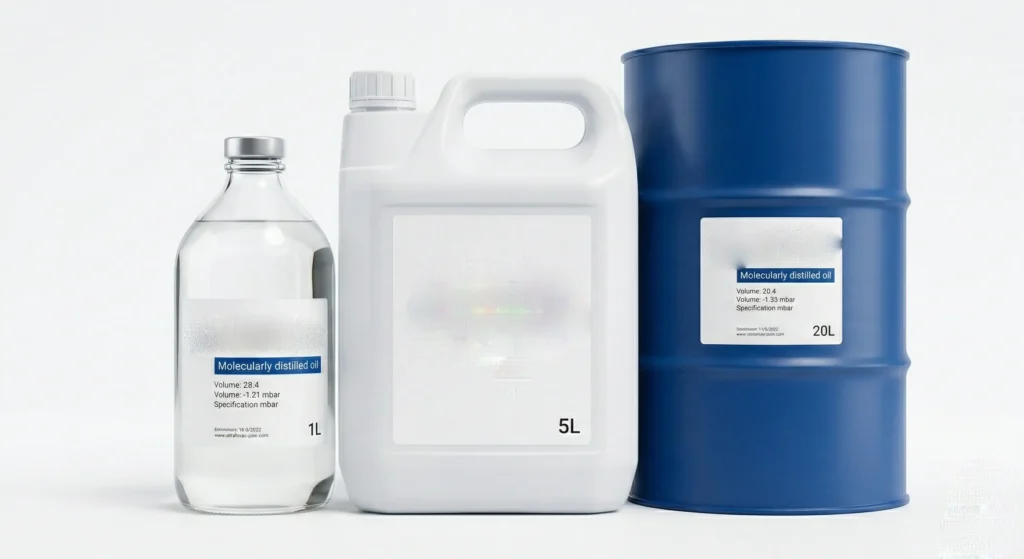
We know that in a production environment, “waiting for oil” usually means “production is down.” That’s why we’ve streamlined our Online Store.
Whether you need a 1L bottle for a single lab pump or 20L drums for a factory floor, we keep our India-wide warehouse stocked for immediate dispatch. Because at the end of the day, we aren’t just selling oil we’re selling the peace of mind that comes with a machine that just works.
Ready to give your pumps a fresh start?